Author Archives: openspaceeditor

10 Years of Collaboration with Harbin Institute of Technology

Professor Simon Bell gave a lecture series on research methods to an audience of Master and PhD students at the School of Architecture at Harbin Institute of Technology in July 2026.

This was his 11th continuous attendance to present such a course and his hosts held a special event to mark the 10 years of this collaboration and to acknowledge Simon’s contribution to international cooperation.

This included a video of the highlights of each year, subsequently updated to include 2026.

Prof. Simon Bell Initiates Collaboration with Dalian University of Technology

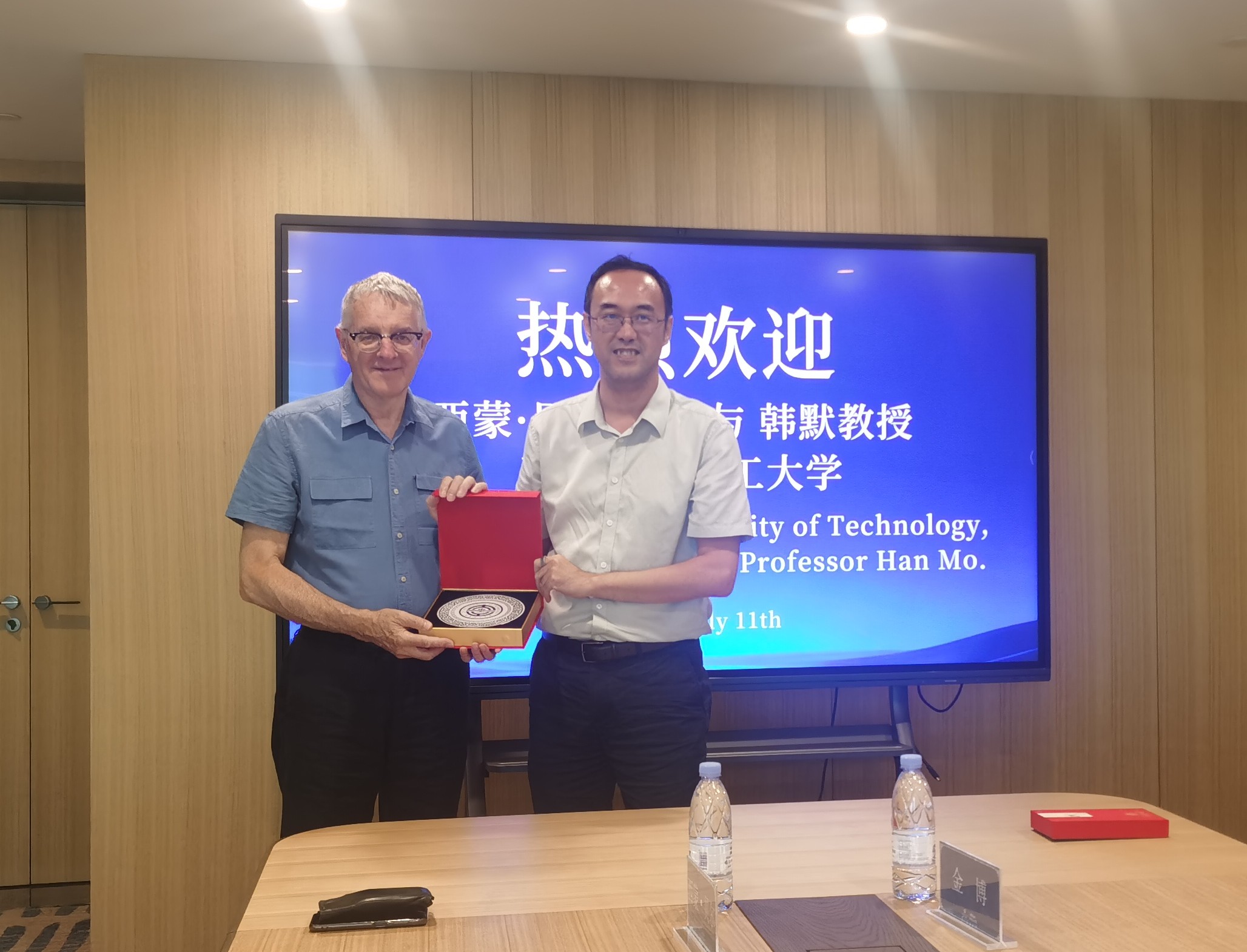
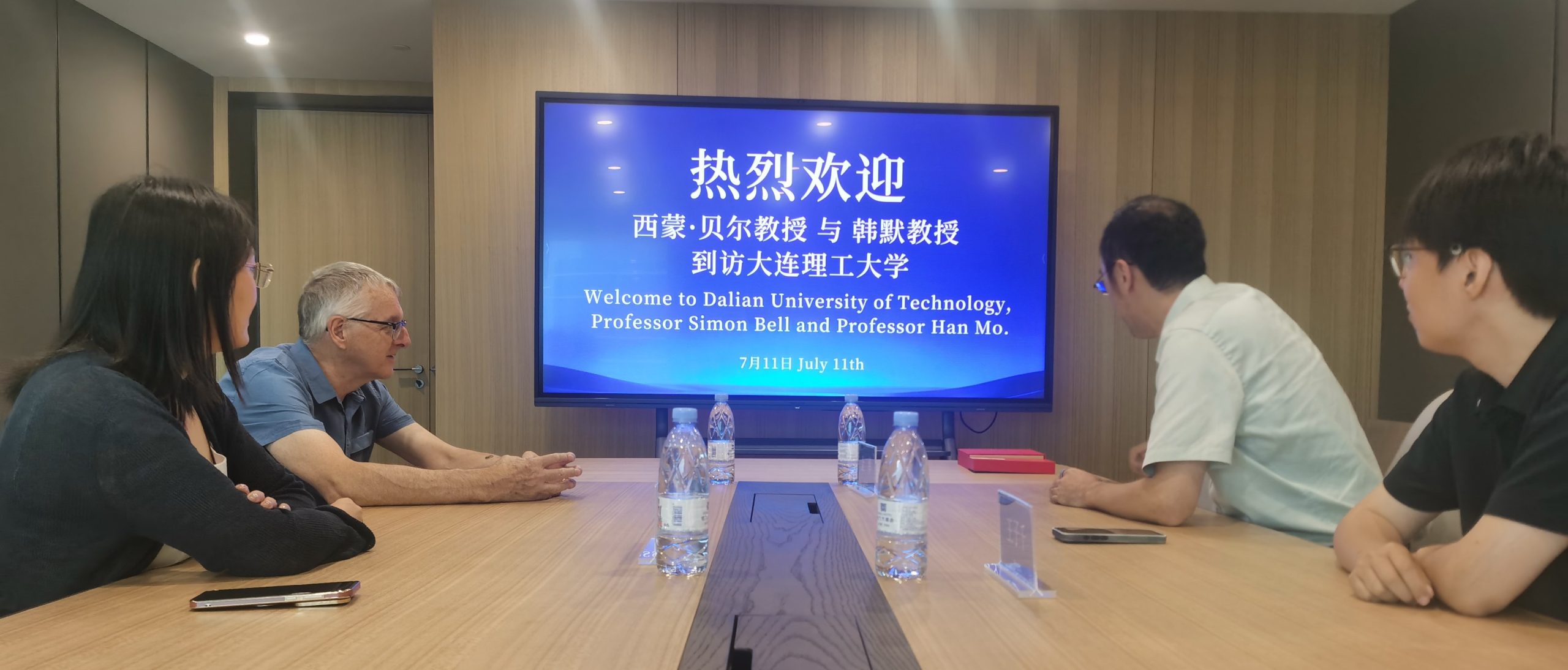
In July 2026 Professor Simon Bell, accompanied by Dr Mo Han of BIT, visited Dalian University of Technology to initiate cooperation.

He met Professor Jin Bo and other colleagues and discussed potential project ideas with a focus on technology, big data and AI as an approach to combine and synthesise complex datasets regarding urban health. 

Prof. Simon Bell Contributes to WHO Drowning Prevention Initiative

 The 25 July 2026 was World Drowning Prevention Day run by the World Health Organisation.

At this event, held in person and online, several new initiatives were presented and launched, including the document Seven strategies to prevent drowning

Professor Simon Bell took part in the technical working group focusing on how to ensure physical infrastructure both encourages people to access and use water while also making it safe.


WIAT2 research presented at the International Medical Geography Symposium 2026

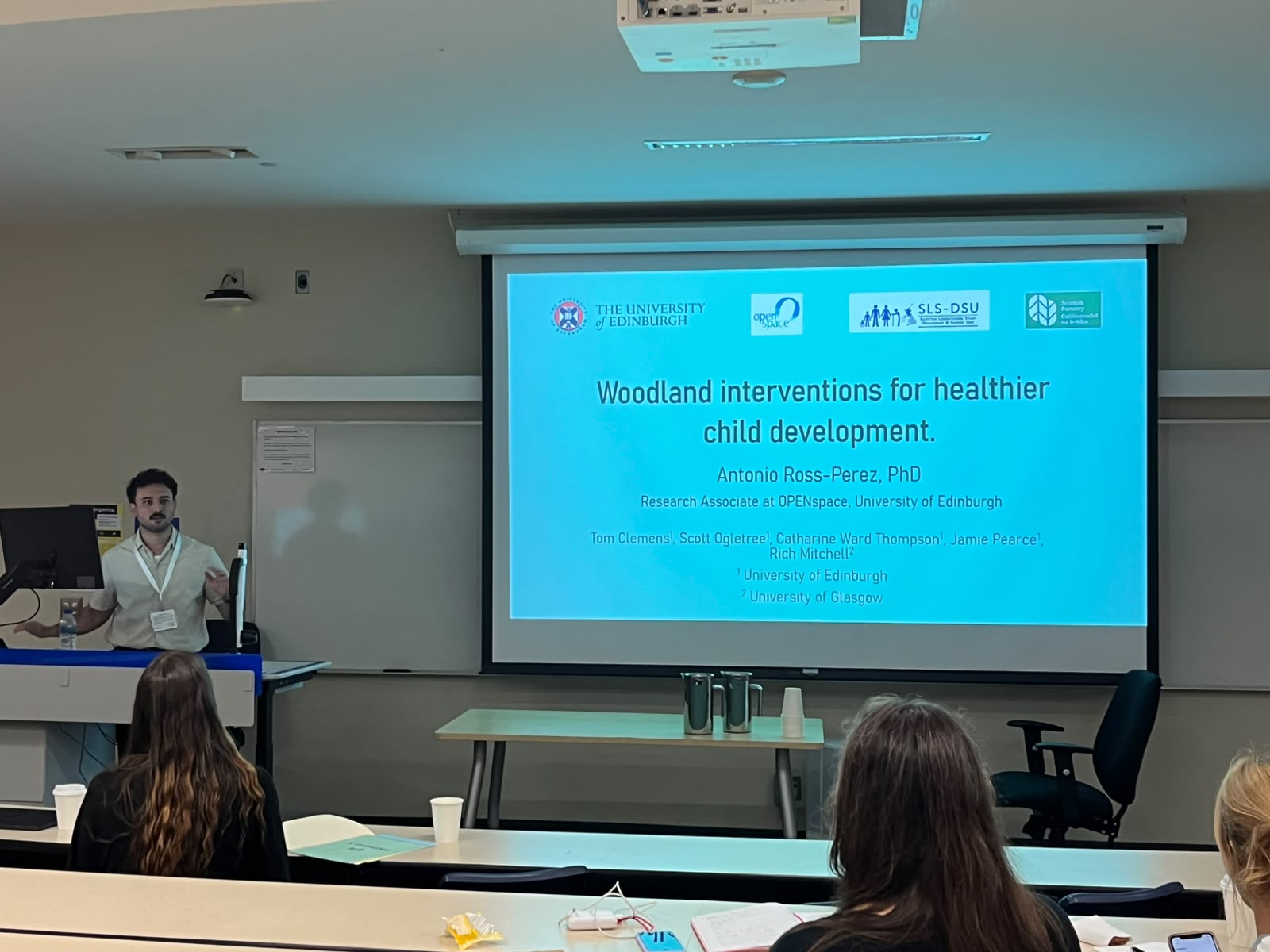
OPENspace Research Associate Dr Antonio Ross-Perez presented preliminary findings from the WIAT2 research project at the International Medical Geography Symposium 2026, held in Toronto in July.

His presentation explored the potential effects of a nationwide woodland intervention programme on child development in Scotland. The research, being undertaken within OPENspace, examines how changes to the environment may influence children’s development and wellbeing.

Dr Antonio Ross-Perez presenting his research at the International Medical Geography Symposium 2026

Improved Scottish woodlands linked to reduced antidepressant use

Improving and maintaining woodlands in deprived communities is linked with reduced antidepressant and anti-anxiety medication use, research suggests.

People living in deprived communities are less likely to use medication for depression and anxiety if they have easy access to well-maintained woodlands, the study found.

Researchers at the Universities of Edinburgh and Glasgow analysed data from more than 129,000 people over five years.

The study is one of the largest analyses of its kind, assessing how investments in local woodlands in and around towns in Scotland affect people’s mental health.

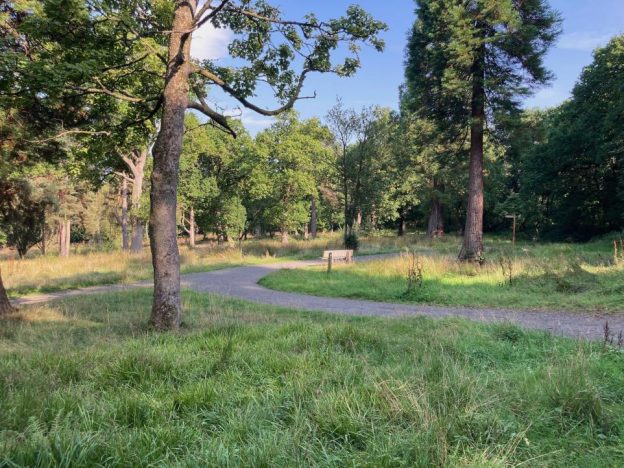
Woodland areas

The researchers used NHS prescription records and census data to see whether people living within a 10-minute walk of an improved woodland area were more or less likely to be taking medication for depression or anxiety.

Woodland improvements had been supported through Scottish Forestry’s Woods In and Around Towns (WIAT) initiative, which provided funding for practical improvements such as new footpaths, better signage, and community events.

Reducing barriers

The initiative prioritised areas that were more socially and financially disadvantaged, where woodlands required improved management to reduce barriers and enable more local people to use and enjoy them.

People living in urban deprived communities that were close to a woodland area that had been made more welcoming and easier for people to use were 10 per cent less likely to be prescribed antidepressants and six per cent less like to be prescribed anti-anxiety medication, than those living further away.

Mental health outcomes

This was the case even when accounting for other factors linked to mental health outcomes, such as demographics and poverty. 

The benefit of living near these woodlands showed up for the same people even when their proximity to these woodlands changed. For example, when someone moved closer to an improved woodland, their need for medication went down.

By tracking the same individuals over time, the researchers say they can be more confident that it was the woodland improvements making the difference, rather than simply healthier or wealthier people happening to live in greener areas.

“The research provides stronger evidence on the mental health benefits of woodland improvements for local communities than was possible in earlier studies. It also shows that these benefits may contribute to reducing inequalities in health across the population.”

Professor Catharine Ward Thompson

“For the first time, we have an opportunity to link data on mental health services with a long-term national urban forestry intervention programme to offer the kind of evidence required to inform future forestry policy. Our results tell us that relatively modest investments in local greenspaces can make a real difference to people’s mental health. Nature-focused initiatives like Woods In and Around Towns (WIAT) can be a valuable tool to complement ongoing efforts to improve wellbeing and mental health.”

Dr Scott Ogletree

Nature-based interventions

Around one in eight people globally live with a mental health condition, and those in poorer communities tend to be hit hardest. At the same time, these are often the communities with the least access to good quality parks, woodlands, and greenspaces.

The researchers say that their findings make a case for integrating nature-based interventions into public health strategies, particularly in urban areas where greenspace can be limited and poorly maintained in certain neighbourhoods. 

Research partnership

The research team have worked with experts from Scottish Forestry and Forest Research for over 20 years to gather evidence on the social and health benefits that local woodlands can offer to communities, pioneering work on this topic within Europe.

“This groundbreaking study provides further compelling evidence of the benefits that local woodlands deliver for people and communities. The association between the investment in woods in and around Scotland’s towns and cities, and lower prescription use for depression and anxiety, highlights the importance of continuing to expand, manage and improve these valuable green spaces.”

Jim Fairlie, Minister for Agriculture, Marine and the Islands

The research used census data from the Scottish Longitudinal Study which tracks the lives and health of thousands of people in Scotland to help researchers understand what affects people’s wellbeing.

The study is published in The Lancet Planetary Health. 

The research was supported by the Economic and Social Research Council (ESRC) and the GroundsWell Consortium, a UK-wide research partnership funded by the UK Prevention Research Partnership (UKPRP), that studies how green and blue spaces, can improve health and reduce health inequalities. 

Simon Bell joined WHO Technical committee meeting on drowning prevention in Bangkok


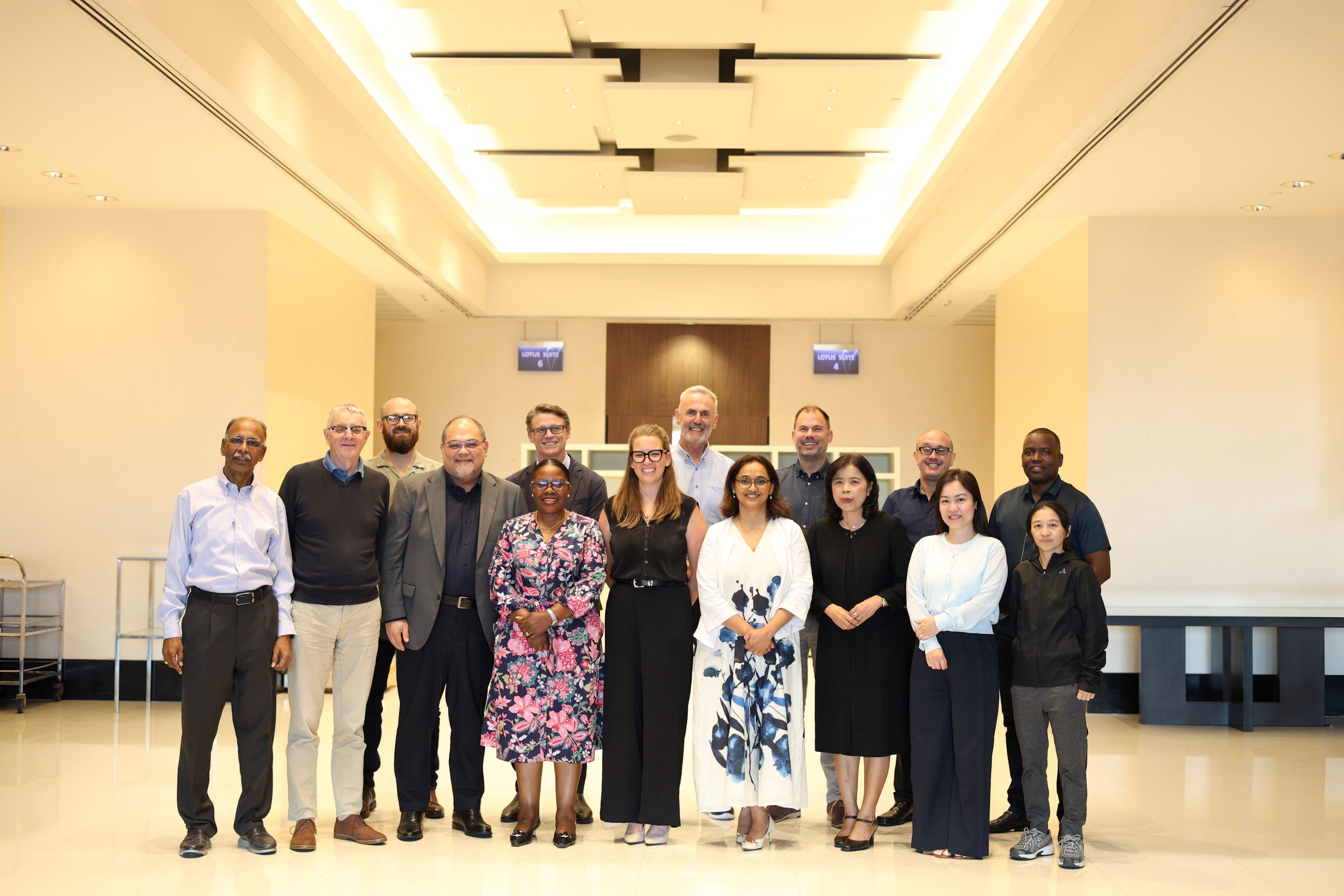
Simon Bell attended a meeting of the WHO Technical committee on drowning prevention in Bangkok on 13th and 14th May. Attendees worked on the near-final draft of the document which outlines the key issues and aspects to be considered for preventing drowning. There are a number of areas covered by the document, one of which is Physical Infrastructure, which is Simon’s area of responsibility.

OPENspace represented at Earth Research & Impact Forum

Dr Scott Ogletree represented OPENspace at the Earth Research & Impact Forum on 7th May, which focused on Sustainable Cities as one of the University of Edinburgh’s strategic priority areas.

The Forum took the form of an informal, workshop-style session, bringing colleagues together to share ideas, build new connections, and contribute to early discussions around a potential framework for Sustainable Cities research at Edinburgh.

The session began with a short introduction to the Edinburgh Earth Initiative and its emerging approach to the Sustainable Cities Challenge Area. OPENspace was highlighted as one example of bringing researchers together across disciplines. Participants then took part in a series of discussions structured around three transdisciplinary sub-themes, informed by a mapping exercise of existing research activity across the University. The workshop concluded with a wider discussion exploring future opportunities, priorities, and directions for collaborative research.

The three discussion themes were:

·       Urban life, health and inclusion

·       Urban risk, adaptation and equitable resilience

·       Urban data, design and democracy of urban systems

The event provided a valuable opportunity to contribute OPENspace perspectives on urban environments, health, inclusion, and resilience, while strengthening connections with colleagues working across related areas of Sustainable Cities research.

OPENspace Research Associate, Dr Charlotte Wendelboe-Nelson, participates in ECR Impact Roundtable

OPENspace Research Associate, Dr Charlotte Wendelboe-Nelson, recently participated in an online Early Career Researcher (ECR) Impact Roundtable hosted by the PRN Impact Interest Group on 29 April 2026.

The event brought together four ECRs to share and reflect on their individual impact journeys, exploring how they have approached research impact within their PhD studies or recent research projects. Discussions focused on the different strategies and activities researchers have used to support impact, what had worked well in practice, the challenges encountered along the way, and what they might approach differently in hindsight.

During the session, Dr Wendelboe-Nelson spoke about her work on the GroundsWell project and highlighted a Community Researcher Model for engagement and participation in nature-based health interventions.

As part of the roundtable, participants also explored a practical Impact Roadmap as a reflective tool to help structure discussion, identify key learning points, and encourage shared learning across disciplines and research contexts.

The event provided a valuable opportunity for early career researchers to exchange experiences, reflect critically on impact practice, and discuss the realities of embedding impact within academic research.

Dr Wendelboe Nelson’s presentation slides are included below.

PRN_ImpactPresentationV1

Dr. Caroline Pearce Presents ACRC Research at Foundations LIVE Webinar

OPENspace Honorary Fellow Dr. Caroline Pearce recently shared her research as part of a Foundations LIVE webinar held on 21 April 2026, contributing to a wider discussion on how housing design can better support relationships, belonging and community across different stages of life.

The webinar brought together researchers and practitioners to explore how homes and neighbourhoods can respond to changing needs, with Dr. Pearce presenting work from the Advanced Care Research Centre (ACRC) project. Her talk focused on the role of neighbourhood environments and communities in shaping wellbeing, and highlighted the Ageing in Place Standard Tool. This emerging tool aims to support policymakers, designers, third-sector organisations and communities in creating environments that enable people to remain connected and supported as they age.

The Foundations LIVE session, funded by the UK Ministry of Housing, Communities and Local Government, reflects growing national interest in innovative housing approaches. Other speakers included Savannah Fishel from the Innovation Unit, who shared her Churchill Fellowship work on intergenerational communal housing.

Professor Simon Bell speaks at University of Manchester workshop on gardening, wellbeing and sustainable urban futures

OPENspace Co-Director, Prof. Simon Bell, was invited to speak at the ‘Connecting through Nature’ interdisciplinary gardening and wellbeing workshop for postgraduate researchers (PGRs) at the University of Manchester on 11th March.

The workshop, which focused on sustainable gardening and landscape-wellbeing design, explored the relationships between landscape, health, and sustainable urban environments.

Prof. Bell’s lecture, “Connecting Through Nature: Urban Allotment Gardening and Wellbeing in Europe”, drew on insights from the edited volume Urban Allotment Gardens in Europe. The session explored the historical evolution, governance, and socio-ecological significance of urban allotment and community gardens across European cities.

Through comparative case studies, Prof. Bell highlighted how allotments contribute to food security, biodiversity, social cohesion, and cultural identity, while also revealing tensions around land tenure, planning policy, and gentrification.

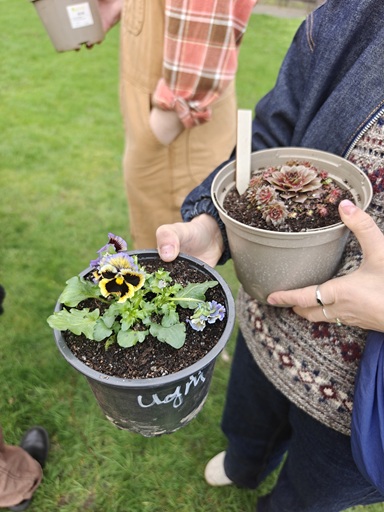
Alongside the lecture, participants took part in a hands-on gardening activity, creating small plant installations using recycled materials. The workshop combined practical making with shared reflection and research-led discussion, encouraging interdisciplinary dialogue across planning, geography, and architecture.

Connecting through Nature Workshop – Planting session