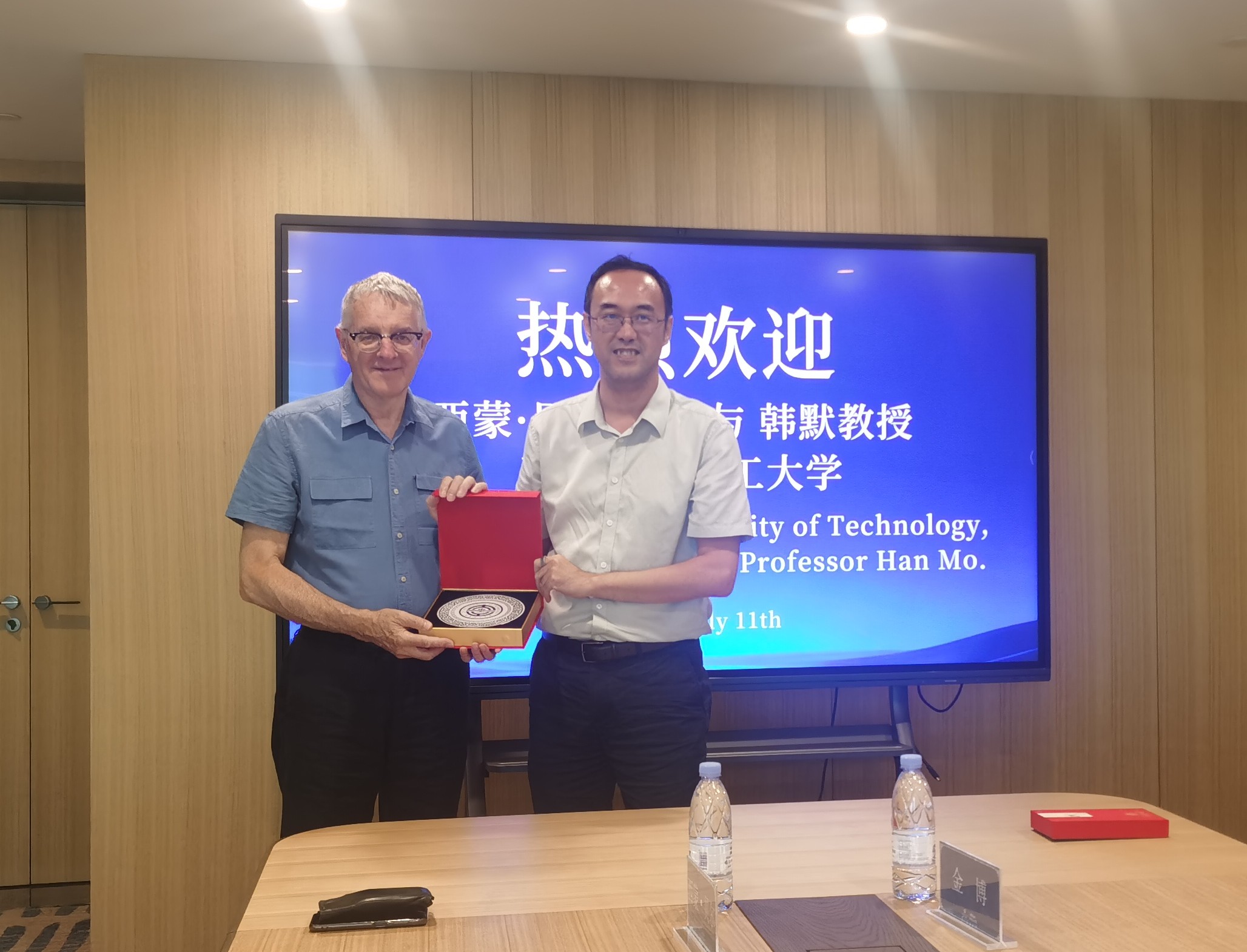
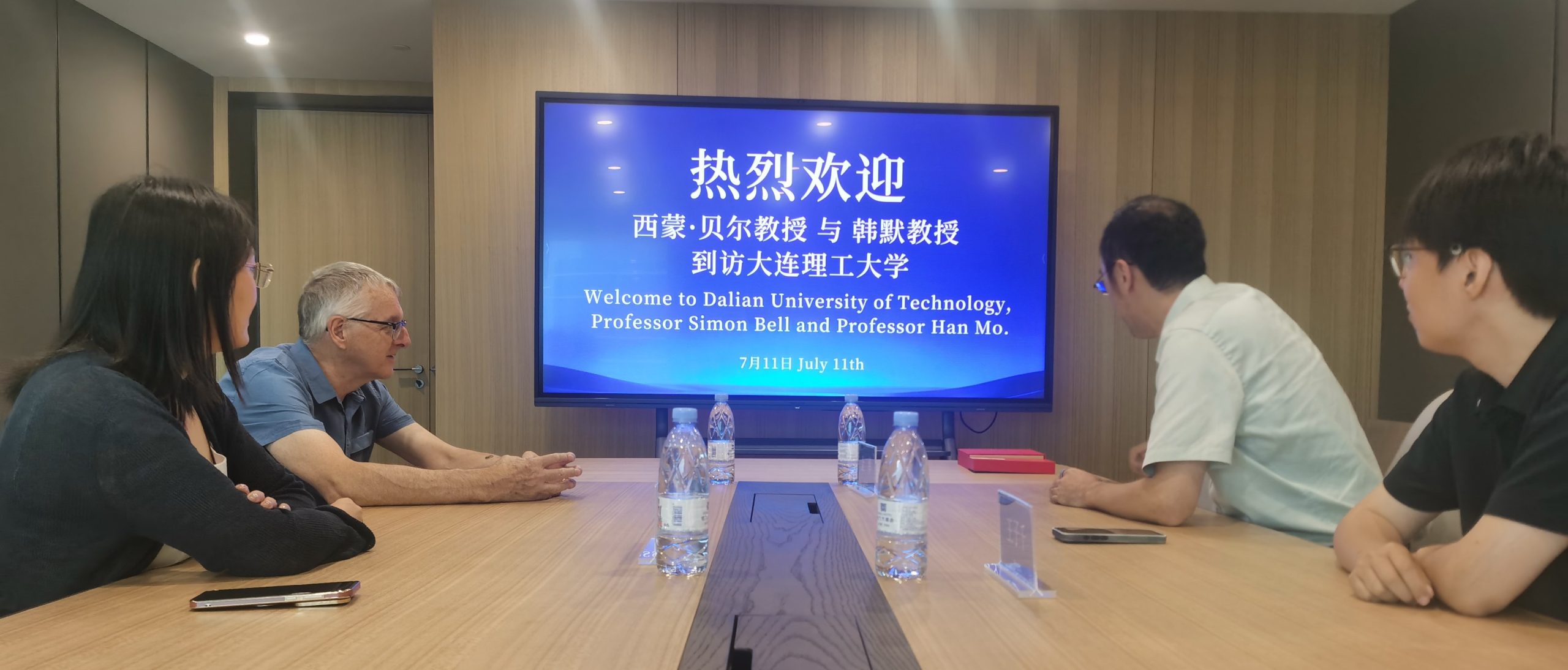
In July 2026 Professor Simon Bell, accompanied by Dr Mo Han of BIT, visited Dalian University of Technology to initiate cooperation.
He met Professor Jin Bo and other colleagues and discussed potential project ideas with a focus on technology, big data and AI as an approach to combine and synthesise complex datasets regarding urban health.
The 25 July 2026 was World Drowning Prevention Day run by the World Health Organisation.
At this event, held in person and online, several new initiatives were presented and launched, including the document “Seven strategies to prevent drowning“.
Professor Simon Bell took part in the technical working group focusing on how to ensure physical infrastructure both encourages people to access and use water while also making it safe.
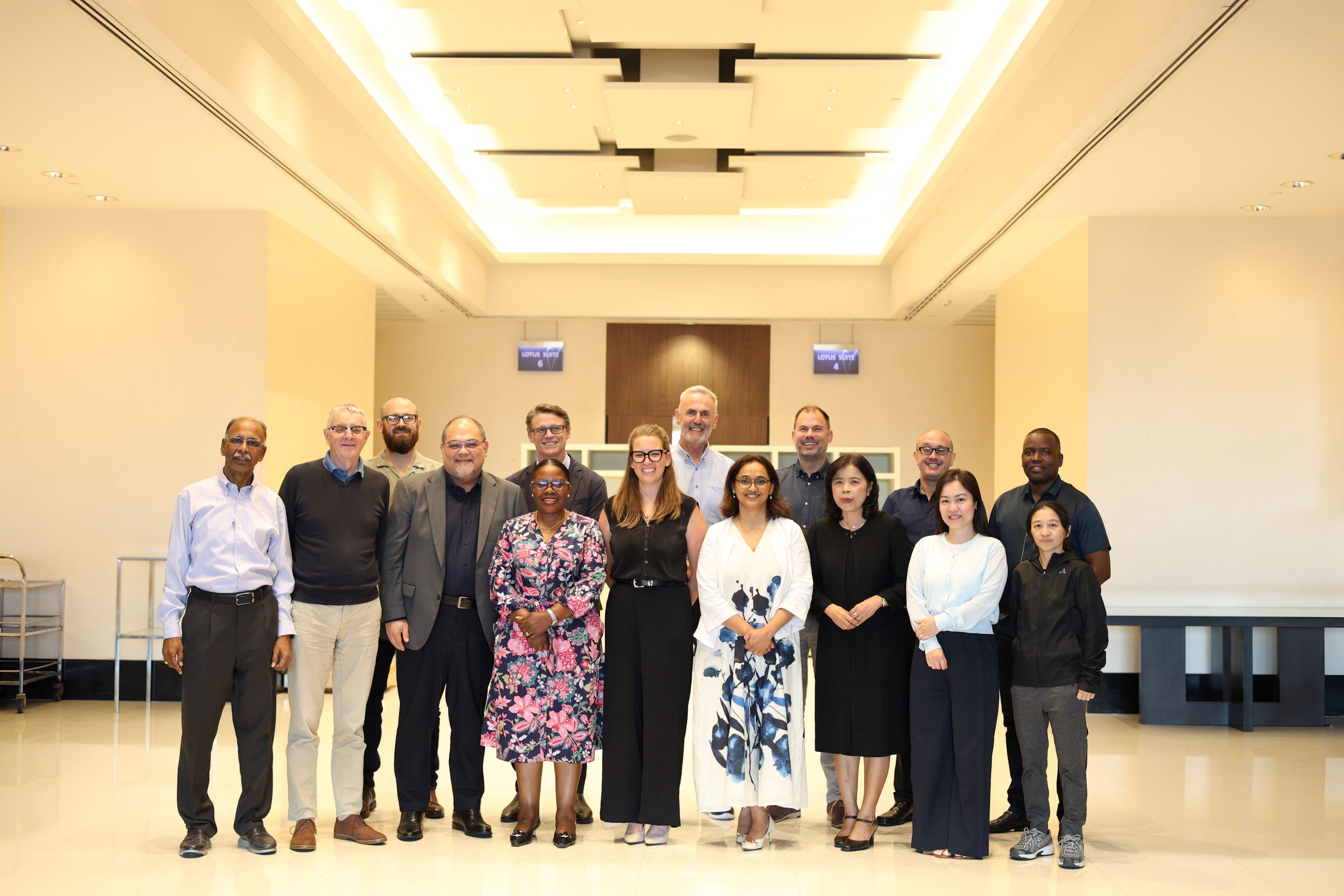
Simon Bell attended a meeting of the WHO Technical committee on drowning prevention in Bangkok on 13th and 14th May. Attendees worked on the near-final draft of the document which outlines the key issues and aspects to be considered for preventing drowning. There are a number of areas covered by the document, one of which is Physical Infrastructure, which is Simon’s area of responsibility.
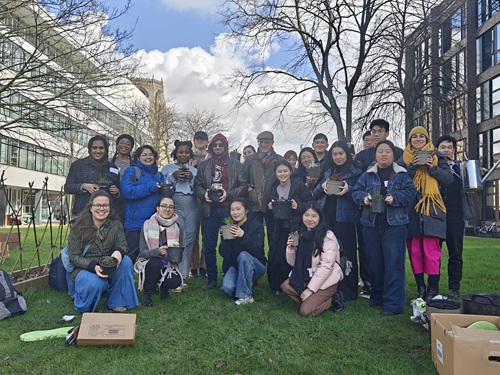
OPENspace Co-Director, Prof. Simon Bell, was invited to speak at the ‘Connecting through Nature’ interdisciplinary gardening and wellbeing workshop for postgraduate researchers (PGRs) at the University of Manchester on 11th March.
The workshop, which focused on sustainable gardening and landscape-wellbeing design, explored the relationships between landscape, health, and sustainable urban environments.
Prof. Bell’s lecture, “Connecting Through Nature: Urban Allotment Gardening and Wellbeing in Europe”, drew on insights from the edited volume Urban Allotment Gardens in Europe. The session explored the historical evolution, governance, and socio-ecological significance of urban allotment and community gardens across European cities.
Through comparative case studies, Prof. Bell highlighted how allotments contribute to food security, biodiversity, social cohesion, and cultural identity, while also revealing tensions around land tenure, planning policy, and gentrification.
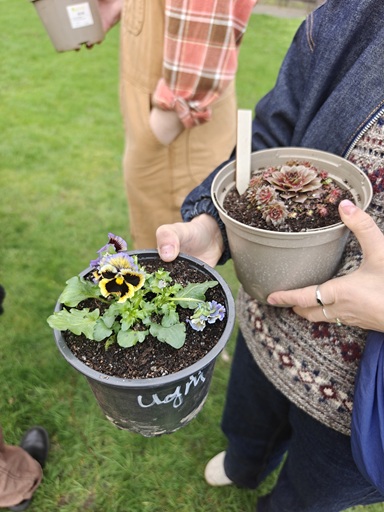
Alongside the lecture, participants took part in a hands-on gardening activity, creating small plant installations using recycled materials. The workshop combined practical making with shared reflection and research-led discussion, encouraging interdisciplinary dialogue across planning, geography, and architecture.
Connecting through Nature Workshop – Planting session
OPENspace is broadening its research focus beyond urban green and blue spaces, extending its work into a wider range of environments that shape health and wellbeing.
Researchers are currently collaborating on projects exploring the benefits of White Spaces (landscapes dominated by snow and ice), Skyscapes, and Seascapes, including submerged marine environments such as seagrass ecosystems. Together, these initiatives expand how we understand therapeutic and restorative landscapes, from ground level to underwater and even to the skies.
Several proposals are in development, including:
An ESRC proposal examining the healing potential of recreational flying.
An international proposal under the National Natural Science Foundation of China’s International Collaboration Fund for Creative Research Teams, exploring the health dimensions of white space.
An NIHR Greenspace and Natural Environments proposal investigating urban vegetation and health
An ESRC proposal focused on nature and chronic pain.
OPENspace researchers are also participating in the RethinkBlue COST Action, a European network advancing social science perspectives on the Blue Economy.
Together, this work reflects an important evolution in the Centre’s research, extending our environmental lens while continuing to explore how diverse landscapes offer nature-based solutions to enhancing human health and wellbeing.
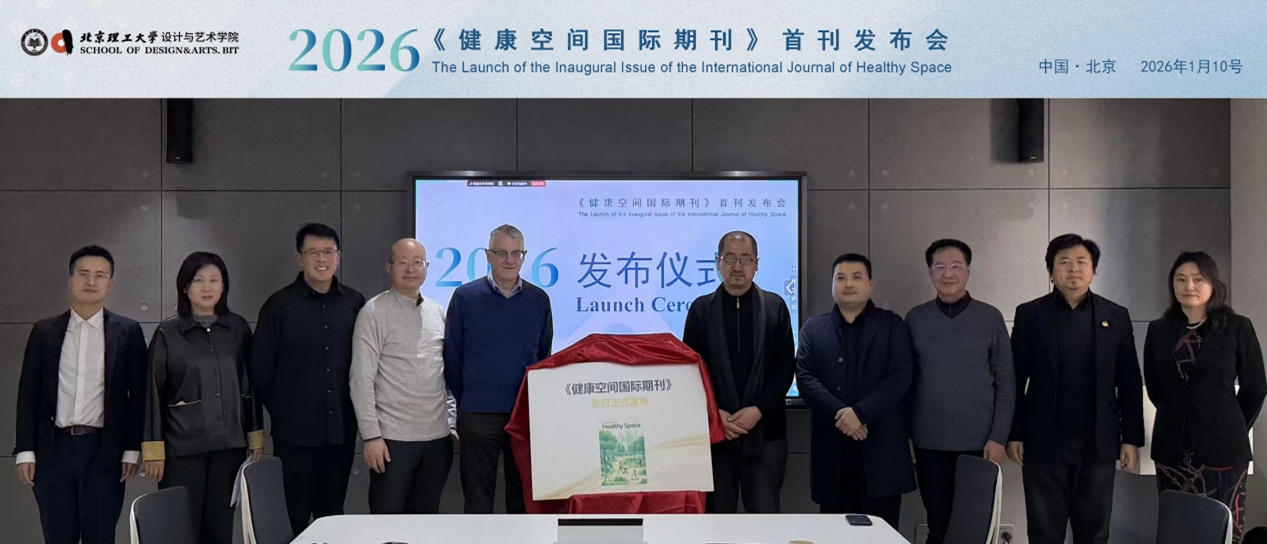
On 10 January 2025, the first issue launch of The International Journal of Healthy Space (ISSN:3008-0479) was successfully held at Beijing Institute of Technology. The journal is hosted by the Joint Laboratory of Healthy Space between Beijing Institute of Technology and the University of Edinburgh. The launch marks the formal establishment of an international academic platform dedicated to interdisciplinary exchange in the field of healthy space.
Group photo at the launch ceremony 专家集体合影
The event was attended by leading scholars, industry representatives, editorial board members, school faculty, and students. Among them were Professor Simon Bell at the University of Edinburgh, UK Director of the Joint Laboratory, and Editor-in-Chief of the journal; Professor Yang Jianming at Beijing Institute of Technology (BIT), Associate Editor of the journal; Professor Yao Jian, Associate Dean of School of Design and Arts of BIT; Associate Professor Li Dihua, Associate Dean of the College of Architecture and Landscape of Peking University; Professor Wang Jinping, former Dean of the School of Architecture at Taiyuan University of Technology and Distinguished Professor at Shanxi University; Mr Yang Jin; Chairman of Beijing Zhongwai Construction & Architectural Design Co., Ltd.; and Mr Zheng Jinbiao, Chairman of Hualin Wells Publishing Group. The event was chaired by Associate Professor Sun Ziwen, Associate Director of the Office of International Affairs at BIT, China Director of the Joint Laboratory, and Managing Editor of the journal.
Founding Vision: Promoting Interdisciplinary Dialogue and Collaboration
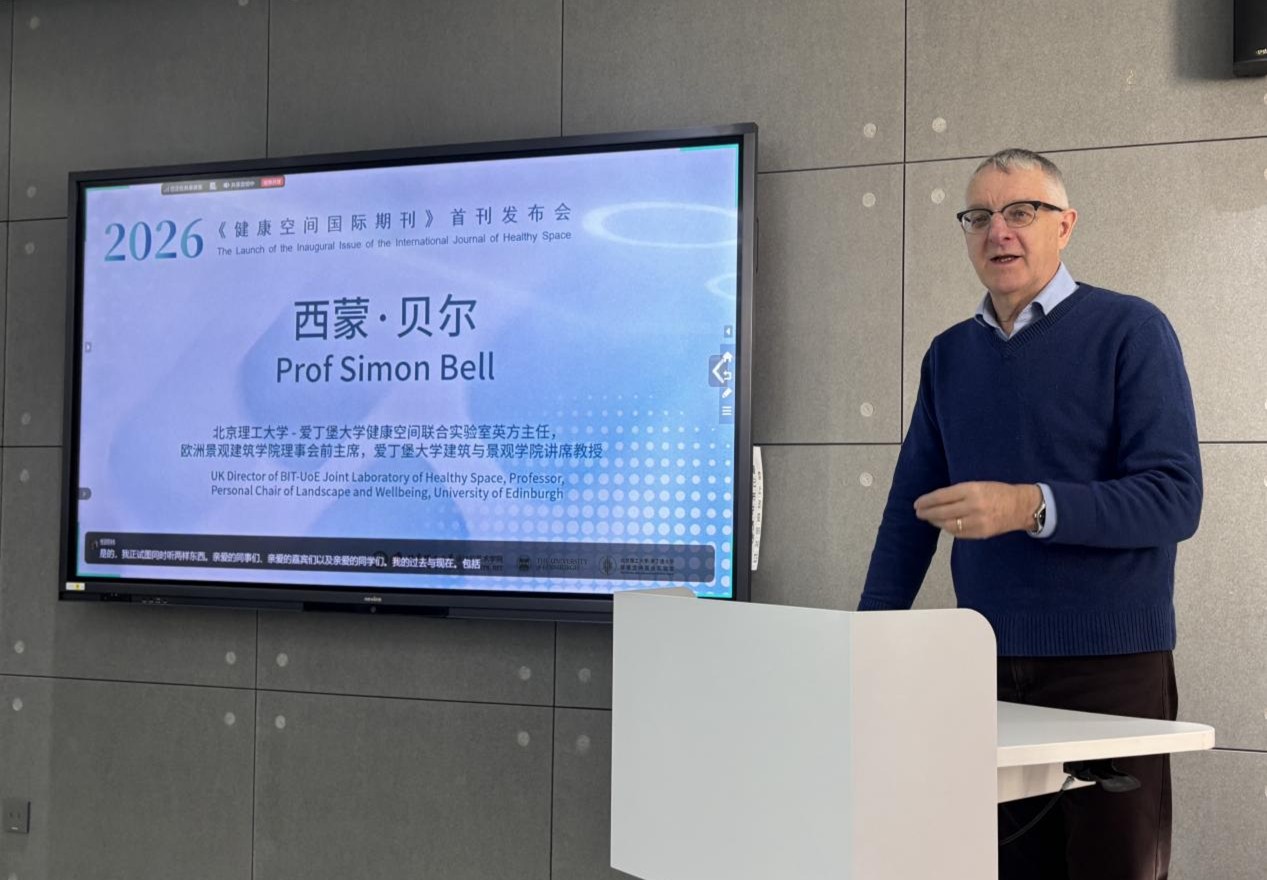
Simon Bell speech
Professor Simon Bell outlined the journal’s founding vision. He emphasised that the core objective of the journal is to encourage and disseminate rigorous research that provides clear evidence of the positive impact of design on human health. He expressed his hope that the journal would serve as a bridge connecting scholars from diverse disciplines and cultural backgrounds, working collaboratively to explore effective pathways through which spatial design can enhance public health and well-being.
Academic and Industry Perspectives: Emphasising Research Quality and Talent Development
During the subsequent guest speeches, several experts shared insights from both academic and professional perspectives.
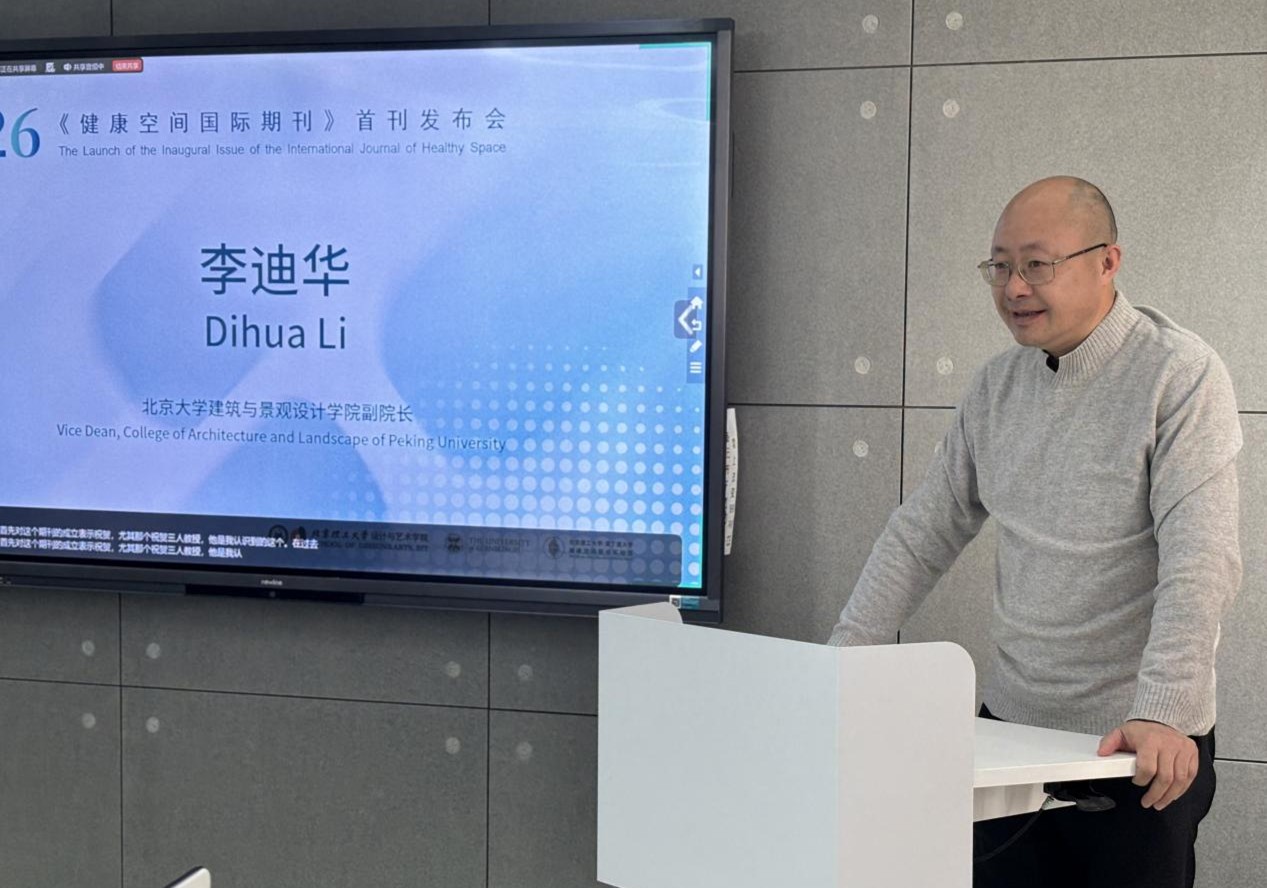
Li Dihua Speech
Li Dihua, drawing on his experience as Executive Editor-in-Chief of the journal Landscape Architecture Frontiers and his research background, elaborated on the characteristics of high-quality research. He noted that publishable studies should clearly define specific issues related to healthy space and apply appropriate methodologies to provide new evidence or solutions. He further highlighted the importance of fieldwork and its practical implications for design practice.
Yang Jin speech
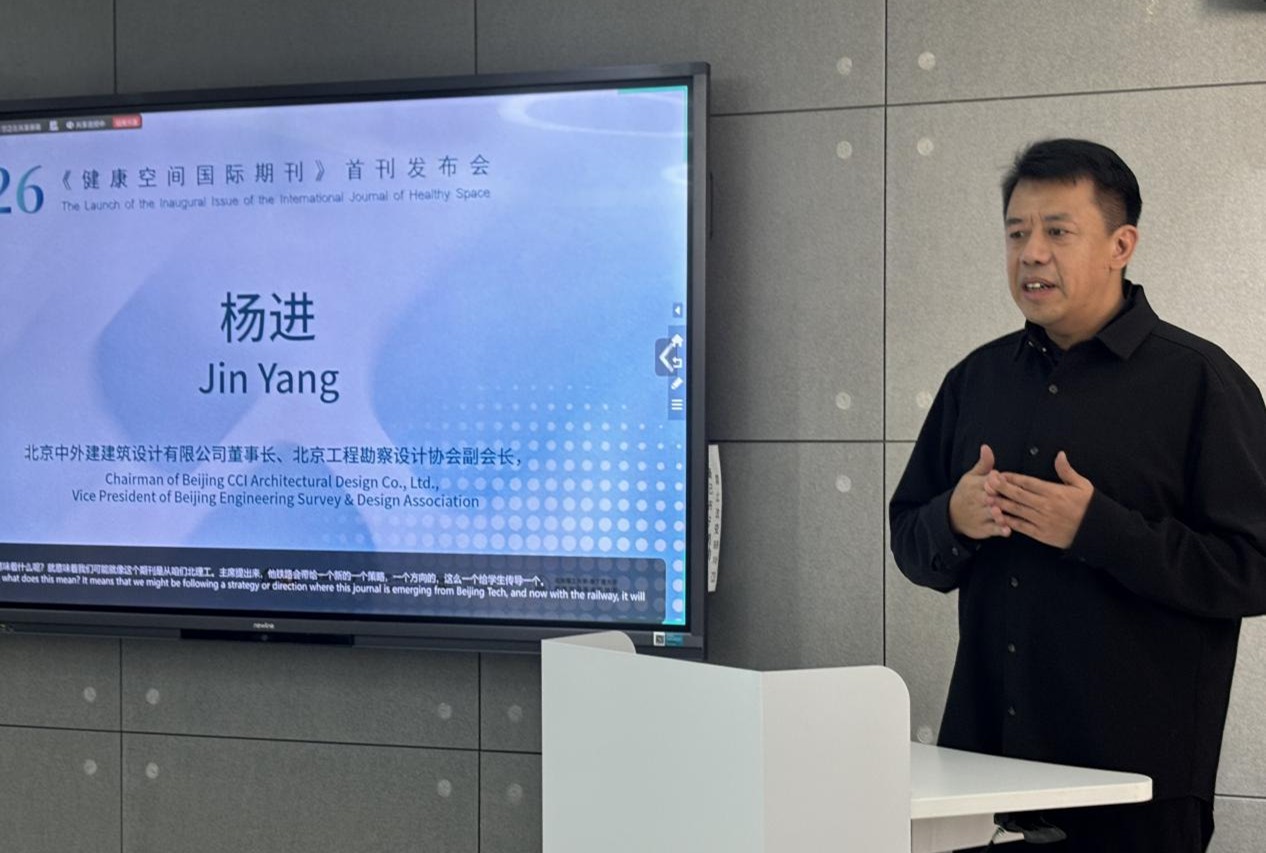
From an industry standpoint, Yang Jin discussed the value of academic journals to professional practice. He observed that in the current context of innovation and transformation, in-depth and rigorous research provides an important benchmark for identifying outstanding design talent and innovative ideas. He expressed his expectation that the journal would foster meaningful dialogue between academia and industry, enabling more research-driven design innovations to emerge and be implemented.
Wang Jinping speech
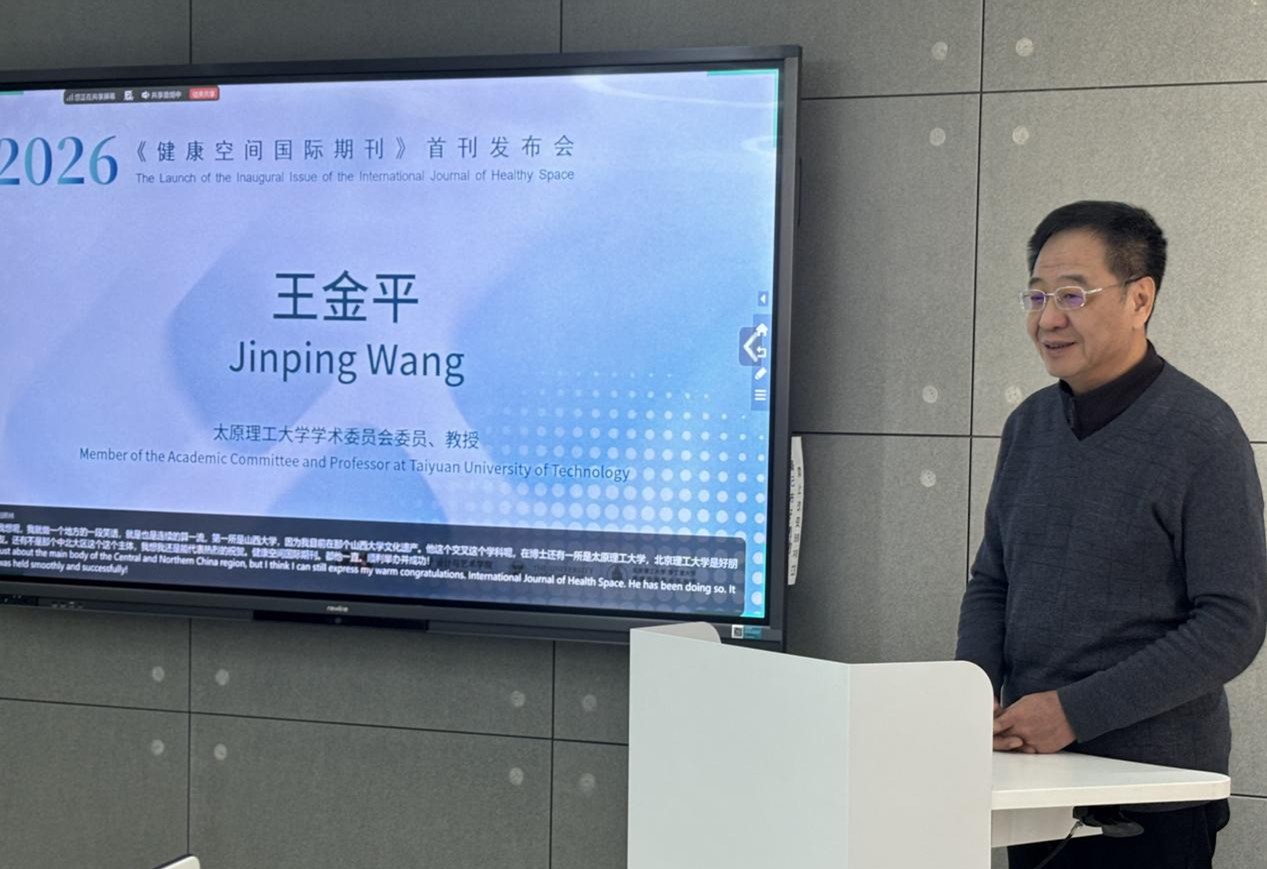
Wang Jinping, reflecting on his decades-long systematic research on traditional architecture in Shanxi Province, emphasised the importance of sustained and focused scholarly commitment. He noted that research into healthy spaces likewise requires long-term dedication and “deep cultivation,” and he hoped that the journal would support and showcase academic achievements grounded in extensive investigation and thoughtful reflection.
On behalf of the School of Design and Arts of BIT, Yao Jian delivered closing remarks, affirming the school’s full support for the development of this international collaborative journal. He expressed confidence that it would enhance the discipline’s global influence in the field of healthy design and provide faculty and students with access to cutting-edge academic resources.
Unveiling of the First Issue: A Platform Sets Sail
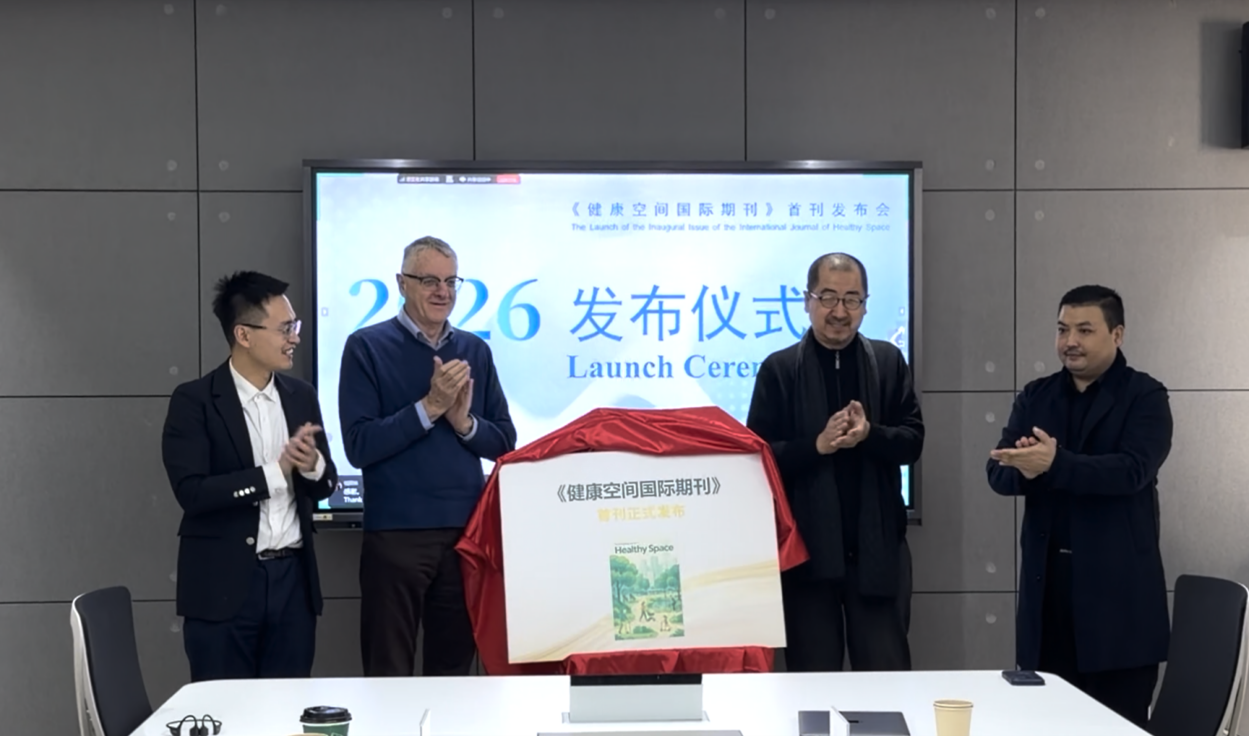
Simon Bell, together with M Zheng Jinbiao, Yang Jianming, and Sun Ziwen, officially unveiled the first issue of The International Journal of Healthy Space.
The establishment of The International Journal of Healthy Space represents another significant achievement in the deepening collaboration between the Beijing Institute of Technology and the University of Edinburgh in the field of healthy design. The journal will provide professional support for researchers worldwide to share cutting-edge findings and promote knowledge innovation, contributing to the advancement of research and practice in healthy living environments.
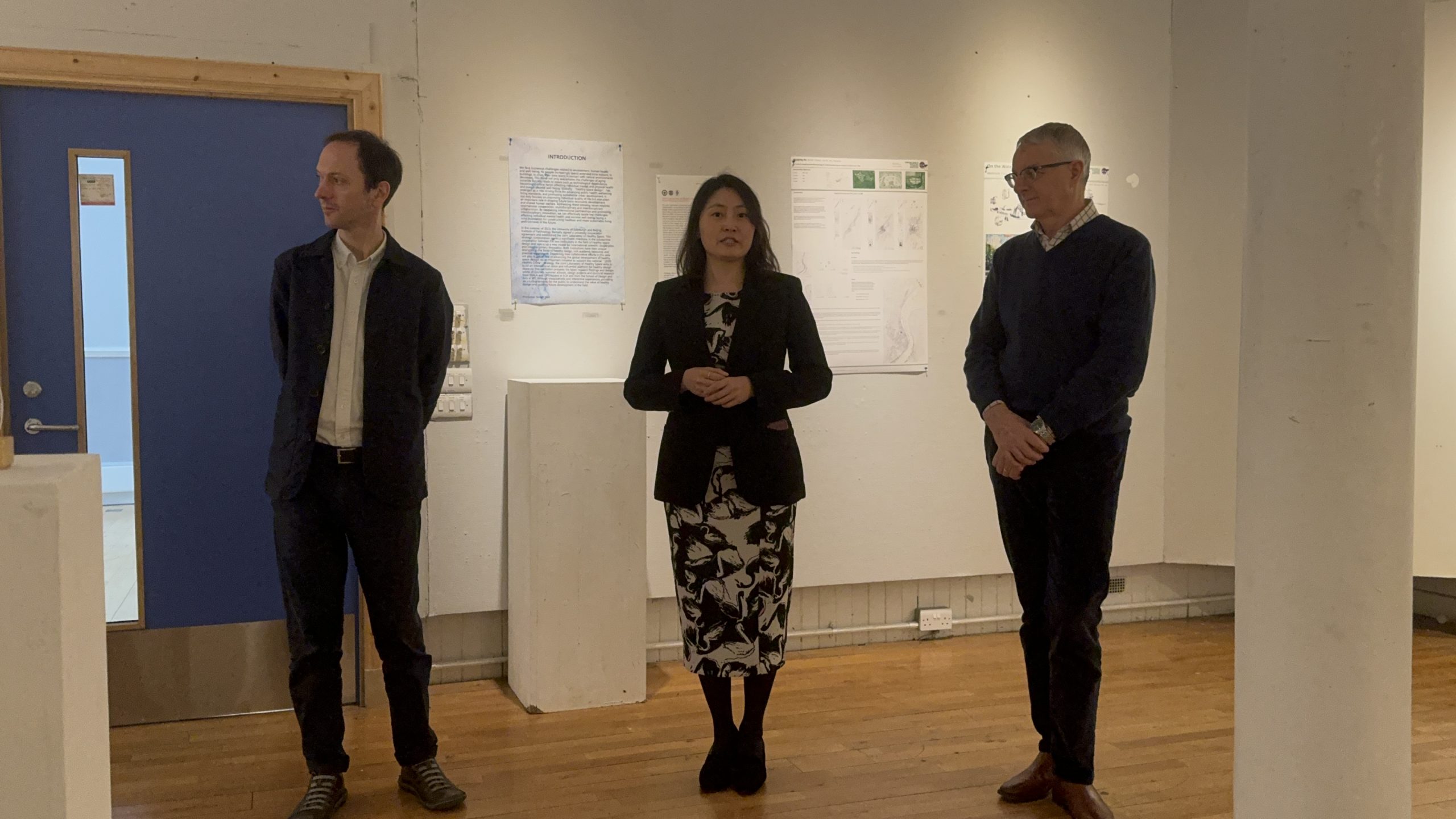
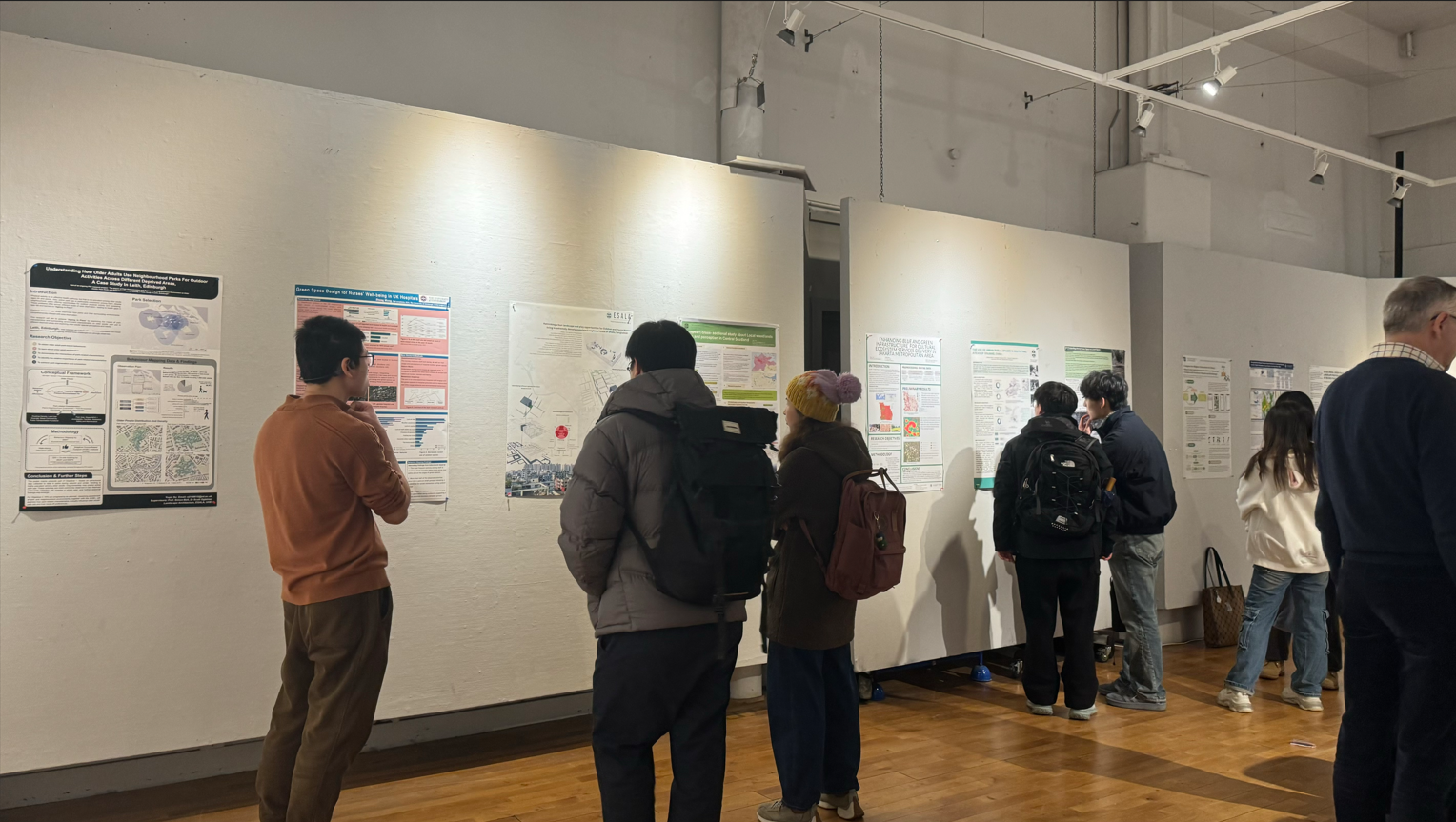
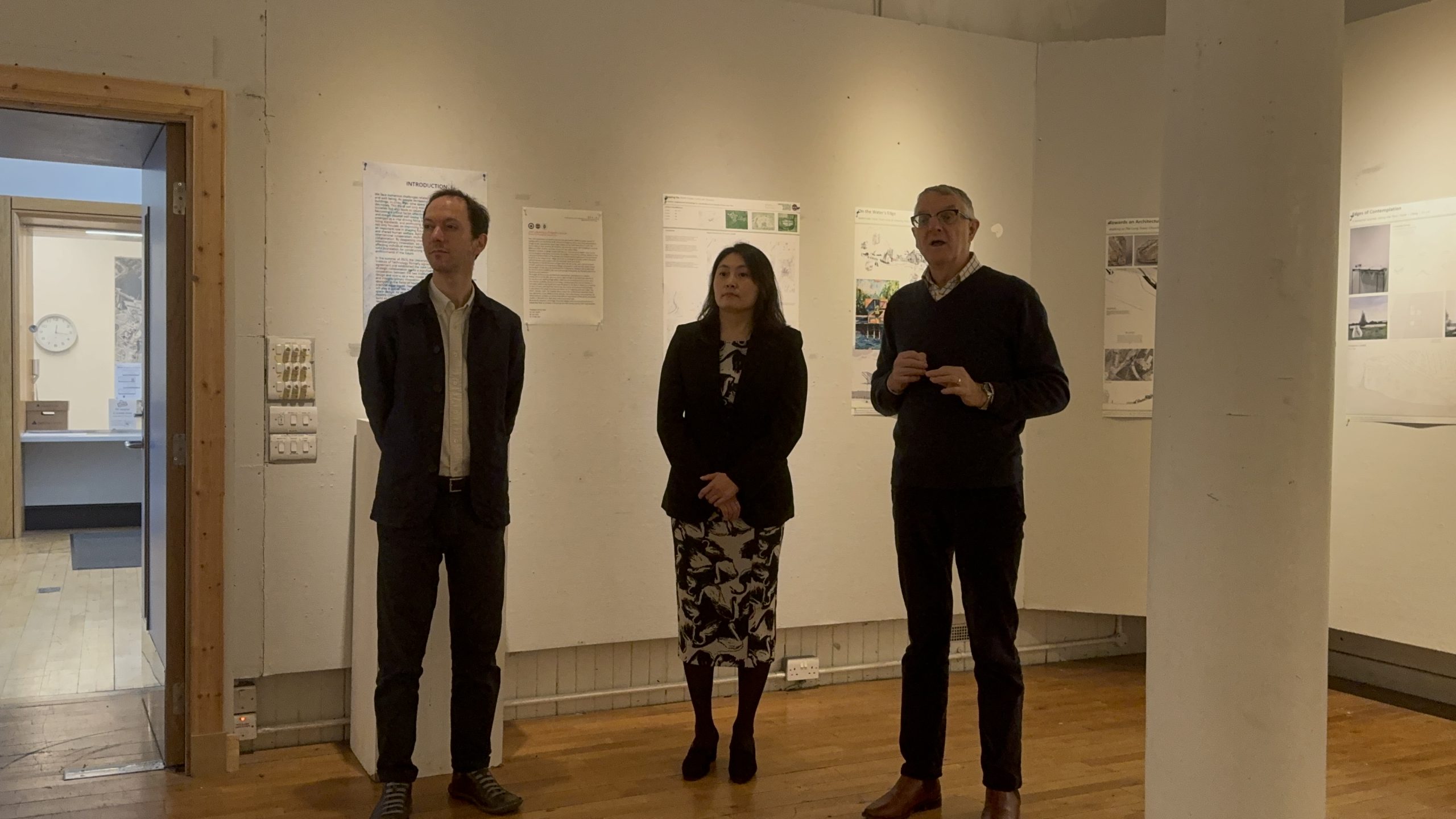
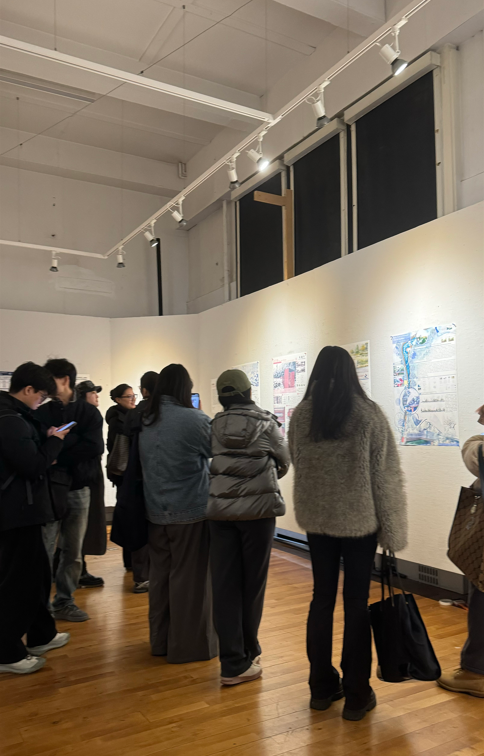
From 9-13 February, 2026 the Joint Laboratory of Healthy Space a collaborative project established between the School of Design and Art at Beijing Institute of Technology (BIT) and OPENspace Research Centre and Edinburgh School of Architecture and Landscape Architecture at ECA, held an exhibition of student research and design work at Matthew Gallery in Edinburgh.
The exhibition featured results from the 2024 summer school in BIT, where designs were intended to improve a blue space in Beijing, outputs from the MArch programme at ESALA which feature the design of edge structures along blue spaces, results of the Landscape and Wellbeing programme course on “Landscape design for health and wellbeing” featuring the Union Canal in Edinburgh and doctoral research in landscape architecture which focused on various types of green and blue spaces and their health and wellbeing potential.
Join us at the exhibition launch of the Joint Laboratory of Healthy Space student research and design work followed by a seminar from Dr Mo Han
From 9-13 February, 2026 an exhibition will be held in the Matthew Gallery in Minto House, Chambers Steet, showcasing three different sets of work associated with the Joint Lab of Healthy Space established between the School of Design and Art at Beijing Institute of Technology (BIT) and OPENspace Research Centre and Edinburgh School of Architecture and Landscape Architecture at ECA. This joint lab was set up in early 2023 and collaboration has included summer schools, doctoral seminars and joint publications.
This exhibition features results from the 2024 summer school in BIT, where designs were intended to improve a blue space in Beijing, outputs from the MArch programme at ESALA which feature the design of edge structures along blue spaces, results of the Landscape and Wellbeing programme course on “Landscape design for health and wellbeing” featuring the Union Canal in Edinburgh and doctoral research in landscape architecture which focuses on various types of green and blue spaces and their health and wellbeing potential.
The curators of the exhibition are Professor Simon Bell, co-director of OPENspace, Iain Scott, Senior Lecturer responsible for the MArch course which is showcased, and Dr Mo Han, Associate Professor of BIT and organiser of the summer schools.
Following the opening, Dr Han will present some of her work at an OPENspace seminar, to take place in Seminar Room 4 at Minto House.
Exhibition launch details
Date and Time: Monday 9th February 2026, 12pm
Location: Matthew gallery, Minto House, Chamber Street (In-Person only)
To Register to view the Seminar online please sign up for an online admission ticket through the exhibition event and a Seminar link will be sent to you.
Title: Integrated Strategies for Rural Landscape Planning and Sustainable Development based on Landscape Character Assessment and Cultural Ecosystem Service.
China is currently facing a comprehensive undertaking of rural revitalization. In order to continue the Chinese agricultural civilization and explore the profound rural civilization of our country, it is necessary to base on the historical heritage of rural civilization and the deep value of rural landscapes, and promote the organic unity of rural culture with agricultural economy, ecological environment, and social value. This study is based on the theory of Landscape Character Assessment, deeply analyzes the essence of rural landscape features in China and their Landscape Capacity in response to transformation, and incorporates artificial intelligence technology to carry out scientific and precise pre-planning for rural development, aiming to organically integrate the protection of rural historical value with the development of rural ecological civilization.
Speaker Bio:
Mo Han is an Associate Director of BIT-UoE Joint Laboratory of Healthy Space and Associate Professor at the School of Design and Arts at the Beijing Institute of Technology.
Professor Simon Bell visited the Beijing Institute of Technology Joint Lab of Healthy Space in early January. One of the main activities was the launch of the Chinese translation of the book Urban Blue Spaces, originally published in 2022.
An audience of professors and students attended and the book was presented by Dr Mo Han, the translation editor who not only explained the book but also illustrated how its messages could be and already are being applied in research at BIT and in China.
The launch was followed by a panel discussion and presentations of research by BIT PhD students who are working on aspects of blue spaces.
A delegation from the Faculty of Architecture and Landscape Architecture at Harbin Institute of Technology (HIT) – Professor Yang Yu, Associate professor Qi Guo and two PhD students Keli Wang and Yuxin Huang – visited ECA, ESALA and OPENspace on the 26 and 27 of November. They toured the architecture and landscape architecture studios with Iain Scott and Simon Bell, met ESALA staff to discuss cooperation and joined a research seminar with landscape architecture PhD students. Simon Bell has been teaching at HIT since 2015 and has built strong connections with the staff and students.